

Improve Your Underwater Photography Skills + Lighting Tips
Introduction
Underwater photography can be a breathtaking and rewarding experience, capturing the beauty of the underwater world. However, it comes with its own set of challenges. With the right skills and lighting techniques, you can take your underwater photography to the next level.
1. Master your buoyancy
Before you even think about taking photos, ensure you have good control of your buoyancy. This will help you stay steady and avoid disturbing marine life or kicking up sand, leading to clearer shots.
2. Use natural light to your advantage
When shooting underwater, natural light becomes your best friend. Try to shoot during the golden hours (early morning or late afternoon) when the light is softer and creates a warm glow underwater. This can add depth and dimension to your photos.
3. Get close to your subject
Water tends to absorb light and color, so getting closer to your subject can result in sharper and more vibrant images. Use wide-angle lenses to capture more of the scene and get up close for stunning macro shots.
4. Use artificial lighting when needed
For depths beyond natural light's reach or in darker conditions, consider using artificial lighting. Strobes or video lights can help illuminate your subject and add detail to your photos. Experiment with different angles and intensities to find the best lighting setup.
5. Mind the backscatter
Backscatter, caused by particles in the water reflecting light back into the camera, can ruin your shots. To minimize backscatter, avoid shooting upwards towards the surface, use a lens hood, and position your strobes properly to reduce glare.
6. Practice, practice, practice
Like any other form of photography, underwater photography takes practice. Experiment with different settings, compositions, and lighting techniques to improve your skills. Don't be afraid to make mistakes – they are all part of the learning process.
Conclusion
By mastering buoyancy, utilizing natural and artificial lighting effectively, getting close to your subjects, and practicing consistently, you can enhance your underwater photography skills. Remember, patience and perseverance are key to capturing stunning underwater images.
So grab your camera, dive in, and start exploring the wonders beneath the surface!
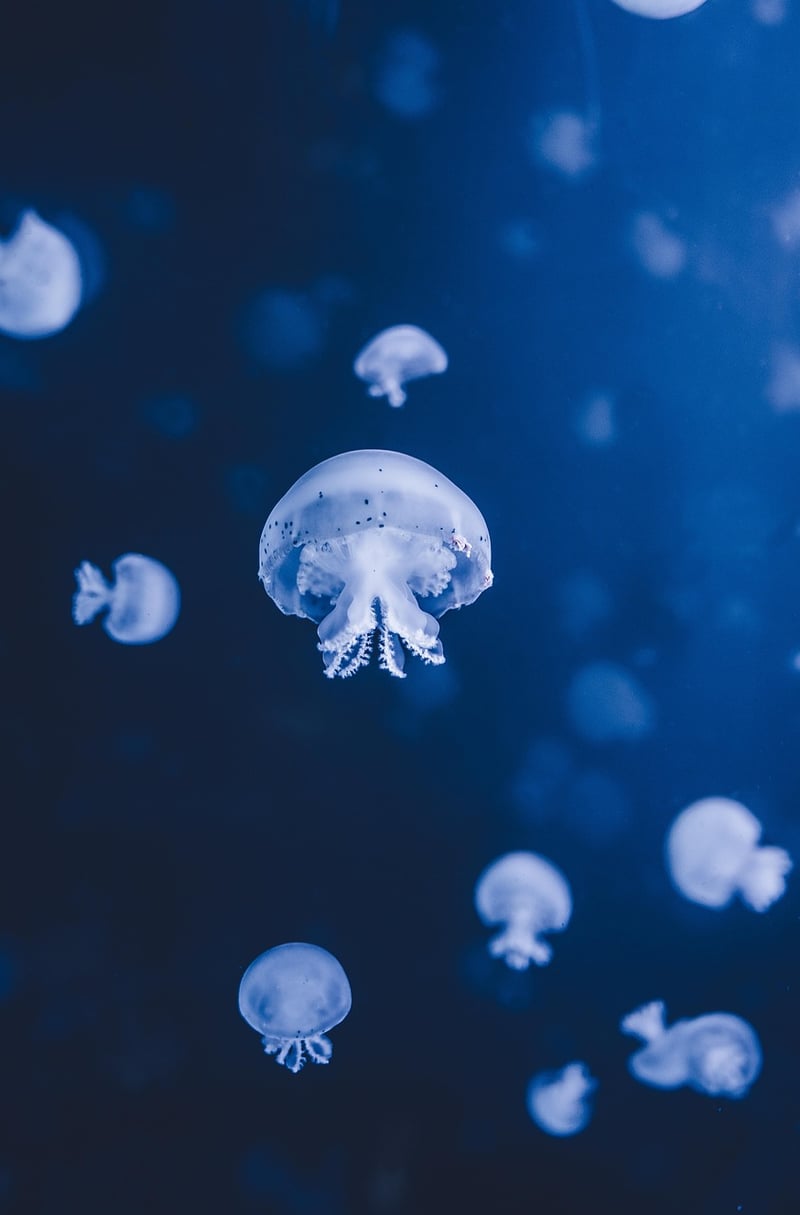
Image source: Pixabay